



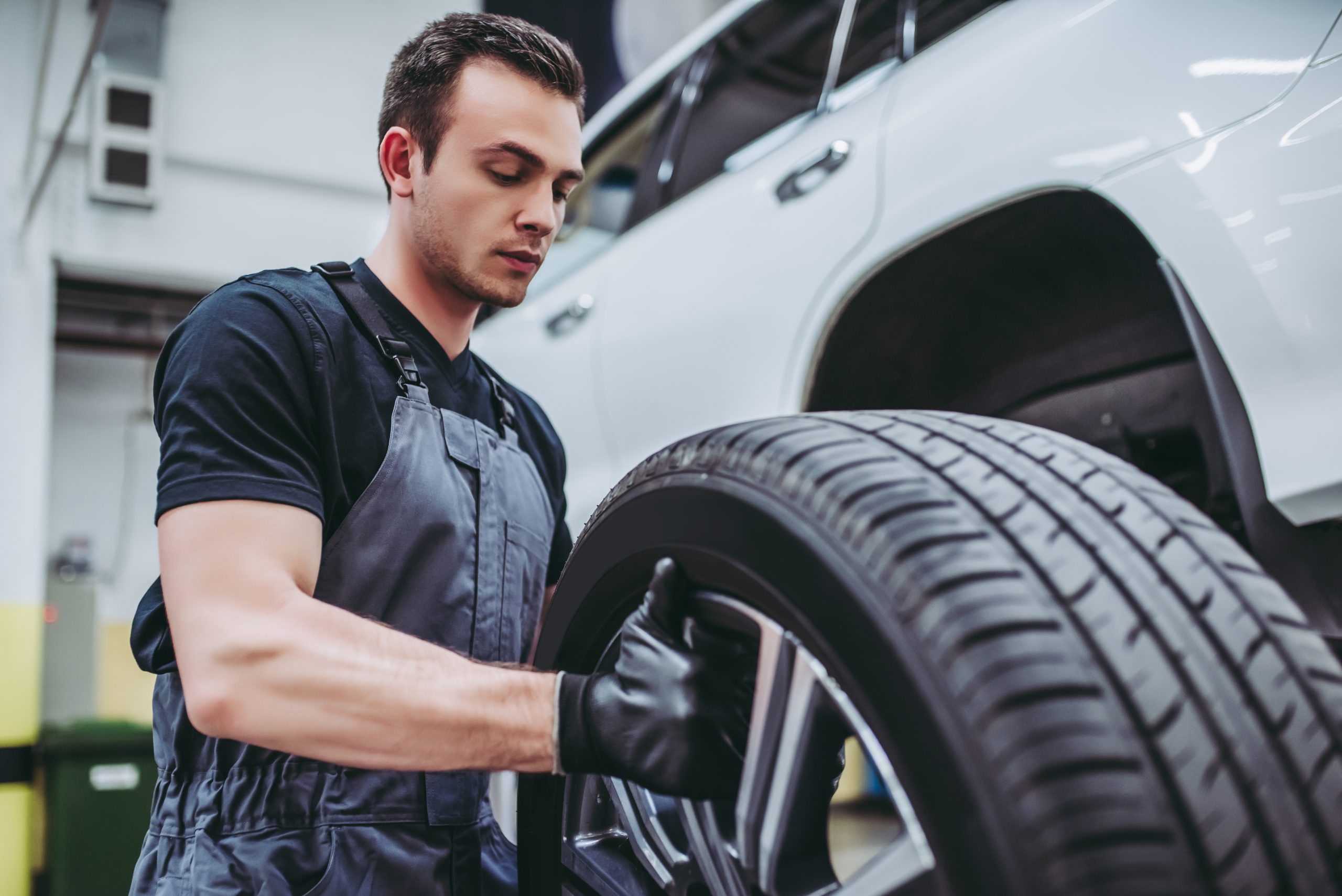
Tires are easy to take for granted. They are one of the few vehicle components that rarely get attention until there is a problem, yet every bit of your vehicle’s acceleration, braking, steering, and towing capability depends on four small contact patches connecting you to the road. For GMC drivers in vehicles like the Sierra 1500, Yukon, Acadia, Terrain, or Sierra HD, understanding tire safety standards is an important part of maintaining long-term performance, safety, and reliability.
That is why understanding tire safety standards matters. Knowing what to look for can help improve safety, extend tire life, and prevent costly surprises, especially for drivers who regularly travel through changing road conditions or rely on their vehicle for towing and daily commuting.
Understanding Tire Ratings
Every tire sold in the United States comes with a series of ratings designed to help buyers compare performance. One of the most widely used systems is the Uniform Tire Quality Grading system, often referred to as UTQG, which provides standardized information about treadwear, traction, and temperature resistance.
Treadwear ratings help estimate how long a tire may last under normal driving conditions, while traction ratings indicate how effectively a tire performs on wet pavement. Temperature ratings measure a tire’s ability to manage heat buildup during sustained driving, which is especially important for highway travel or heavier vehicles.
No single rating automatically makes one tire better than another, since the right choice depends on how the vehicle is used. Drivers who prioritize long-term durability may focus more on treadwear ratings, while those who frequently drive in rain or variable weather conditions may place greater importance on traction performance.
Why Regular Tire Inspections Matter
Even the best tire cannot perform properly if it is not maintained. One of the most important checks is tread depth, since worn tread reduces the tire’s ability to channel water away from the contact patch, which can negatively affect wet-weather traction and overall control.
Many tires include built-in tread wear indicators that become visible as the tire approaches the end of its usable life. Routine visual inspections can help identify uneven wear patterns or developing issues before they become safety concerns. Sidewall inspections are equally important, since cracks, cuts, bulges, or other visible damage may indicate structural issues that require immediate attention.
Tire Pressure Is Still One of the Biggest Factors
Modern vehicles are equipped with tire pressure monitoring systems, but manual checks are still essential for proper maintenance. Underinflated tires can wear unevenly, reduce fuel efficiency, and generate excess heat, while overinflated tires can reduce traction and negatively affect ride comfort and handling.
Checking tire pressure at least once a month is one of the simplest and most effective maintenance habits any driver can develop. The correct pressure specification is typically found on the driver’s door jamb, where it is set based on the vehicle’s engineering and load requirements rather than the tire itself.
Truck and SUV Owners Have Additional Considerations
For GMC truck and SUV owners, tire selection becomes even more important due to increased demands placed on the vehicle. Models such as the Sierra HD and Yukon XL often carry heavier loads, tow trailers, or transport multiple passengers, all of which require properly rated tires to maintain safety and stability.
This is where load ratings become critical. Every tire is designed to support a specific amount of weight, and selecting the correct load-rated tire helps ensure the vehicle performs as intended, especially during towing, hauling, or long-distance travel. Following GMC’s recommended tire specifications for each model is essential for maintaining capability and safety.
Tire Age Matters Too
Many drivers focus primarily on tread depth and overlook tire age, but rubber naturally degrades over time due to sunlight exposure, temperature changes, and environmental conditions. As a result, a tire may still appear usable while no longer providing optimal performance or safety.
The manufacturing date is located within the DOT code on the sidewall, which provides important information about tire age. If there is any uncertainty about how old a tire is, our qualified service technicians can help evaluate whether replacement is necessary based on both condition and age.
Keep Your Tires Ready for the Road Ahead
Tires influence nearly every aspect of how a vehicle drives, stops, and handles, making them one of the most important safety components on any GMC vehicle. Staying on top of tire pressure, tread depth, age, and overall condition can help improve safety, extend tire life, and maximize the value of your investment over time.
Drivers throughout Bryant, AR can rely on the service team at Everett Buick GMC for tire inspections, rotations, balancing, alignments, and replacements. If you’re preparing for a road trip, towing season, or simply your daily commute, a professional tire inspection is one of the smartest maintenance decisions you can make.
Connect with us


- 2026 Buick models
- 2026 Buick SUVs
- 2026 Envista and 2026 Encore GX
- 2026 GMC HUMMER EV Pickup
- 2026 GMC lineup
- 2026 GMC models
- 2026 lineup at Everett Buick GMC in Bryant, AR
- 2026 model year vehicles
- 2026 Sierra HD
- All-Weather Floor Liners
- Best Buick Gas Mileage
- Bryant Buick Dealer
- Bryant Buick Service
- Bryant GMC Dealer
- Buick Certified Service
- Buick Enclave
- Buick Encore GX
- Buick Envision
- Buick Envista
- Buick Models at Everett Buick GMC
- Buick SUV Lineup
- Buick U.S. Manufacturing
- Buick's 2026 Lineup
- Connectivity and Infotainment
- Dwight Everett
- Electric Vehicle Technology
- everett buick gmc
- Everett Buick GMC Service
- GMC Acadia
- GMC Accessories
- GMC at Everett Buick GMC
- GMC Canyon
- GMC lineup
- GMC Models in Bryant, AR
- GMC Sierra 1500
- GMC Sierra 2500 HD
- GMC Sierra 3500 HD
- GMC Sierra EV
- GMC Sierra HD
- GMC Terrain
- GMC Trucks and SUVs
- GMC vs Ford: SUV Options
- GMC Yukon XL
- GMC Yukon:
- HUMMER EV Pickup
- HUMMER EV SUV
- Interest Rates
- myBuick mobile app
- Professional Grade philosophy
- Sierra 1500
- Sierra EV and HUMMER EV
- Sierra HD
- Special Financing Programs
- SUVs
- Tire Inspections
- Tire Pressure
- Tire Ratings
- Tire Safety Standards
- Top 2026 Technology Upgrades
- Towing and Trailering Technology