



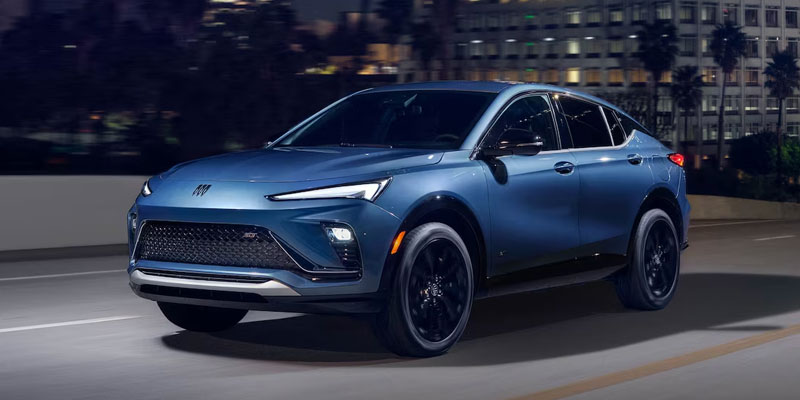
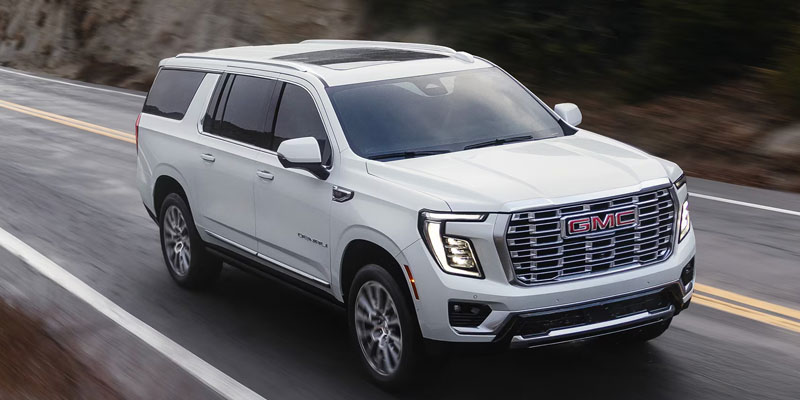
Some brands spend a century trying not to disappear. Buick and GMC spent theirs becoming impossible to confuse with anyone else.
That is the interesting part of GM history. These are not two badges that drifted through the decades on habit and heritage alone. Buick built its name on refinement before most automakers had figured out consistency. GMC built its reputation on utility before “professional grade” became a slogan people noticed. They arrived at the modern era from different directions, but both got there by being stubbornly clear about what they were.
Buick: The Polished Side of the Family
Buick has always occupied a very specific lane in the American market. Not austere. Not brash. Not bargain-bin transportation with a chrome smile. Buick’s success came from understanding that a lot of drivers wanted something more elevated than ordinary, but without drifting into full luxury-brand theater. That instinct showed up early.
Founded in 1903, Buick quickly became one of the foundational names in General Motors. It helped establish the company’s early identity, not just with sales, but with engineering credibility. In the decades that followed, Buick became associated with smooth powertrains, substantial road manners, and a sense of design that leaned upscale without becoming fussy.
Models like the Roadmaster and Skylark were not important because they merely existed. They mattered because they told buyers what Buick stood for at the time: comfort, presence, and a step above the everyday experience.
That same logic still carries through the brand’s modern SUV lineup. Vehicles such as the Enclave and Encore GX do not try to impersonate sports cars or luxury flagships. They offer comfort, quietness, strong packaging, and a more refined atmosphere than many drivers expect at their price point. That has been Buick’s talent for a long time.
GMC: The Workhorse That Learned Manners
GMC’s history is less about polish and more about purpose.
Founded in 1911, GMC built its identity through trucks, commercial capability, and the sort of mechanical seriousness that appealed to buyers who actually needed their vehicles to do something. This was not a brand built on decoration. It was built on payloads, durability, and the confidence that comes from machinery designed with a job in mind.
Over time, though, GMC became more than the heavy-duty side of the GM family.
That is where its evolution gets interesting. It kept the truck-first mentality, but layered in more design sophistication, more technology, and far more comfort than old-school utility buyers would have expected. Today, a Sierra HD can still handle demanding towing and hauling tasks, but it can also offer a cabin that feels genuinely upscale. The Yukon followed a similar path. Large, capable, unmistakably American, but now far more refined than the early truck-based utility vehicles that came before it.
GMC did not abandon its roots. It just figured out that capability and comfort were not mutually exclusive.
Where the Two Brands Meet
Buick and GMC come from different traditions, but they now complement each other in a way that makes perfect sense. Buick speaks to drivers who want quiet design, comfort, and modern technology wrapped in something tasteful. GMC speaks to drivers who want strength, presence, and utility without giving up convenience or premium features.
That pairing matters in a dealership setting because it reflects how people shop. Some buyers want an SUV that feels composed and polished for daily family use. Others need a truck that can tow, haul, and still feel civilized on the way home. Buick and GMC cover those needs without stepping on each other’s identity. That is not accidental. That is decades of brand clarity.
Why the Legacy Still Matters in Bryant, AR
History only matters if it still shows up in the product. In Buick, that legacy appears in refined ride quality, quieter cabins, and a design language that favors clean confidence over flash. In GMC, it appears in strong truck engineering, bold styling, and a capability story that remains central to the brand.
For Bryant drivers, that means the history is not trapped in old brochures or museum displays. It is sitting right there in the showroom, translated into modern vehicles that still carry the values that made the brands matter in the first place.
See Buick and GMC Up Close in Bryant, AR
Buick and GMC have spent generations building distinct identities, and that is exactly why they still resonate now. One refined its way into relevance. The other powered its way there.
At Everett Buick GMC, that legacy is easy to see across the lineup, from Buick SUVs shaped by comfort and design to GMC trucks and SUVs built around strength, technology, and everyday usability.
Connect with us


- 2026 Buick models
- 2026 Envista and 2026 Encore GX
- 2026 GMC HUMMER EV Pickup
- 2026 GMC lineup
- 2026 GMC models
- 2026 lineup at Everett Buick GMC in Bryant, AR
- 2026 model year vehicles
- 2026 Sierra HD
- All-Weather Floor Liners
- Best Buick Gas Mileage
- Bryant Buick Dealer
- Bryant Buick Service
- Bryant GMC Dealer
- Buick Certified Service
- Buick Enclave
- Buick Encore GX
- Buick Envision
- Buick Envista
- Buick Models at Everett Buick GMC
- Buick SUV Lineup
- Buick U.S. Manufacturing
- Buick's 2026 Lineup
- Connectivity and Infotainment
- Dwight Everett
- Electric Vehicle Technology
- everett buick gmc
- Everett Buick GMC Service
- GMC Acadia
- GMC Accessories
- GMC Canyon
- GMC lineup
- GMC Models in Bryant, AR
- GMC Sierra 1500
- GMC Sierra 2500 HD
- GMC Sierra 3500 HD
- GMC Sierra EV
- GMC Sierra HD
- GMC Terrain
- GMC Yukon XL
- GMC Yukon:
- HUMMER EV Pickup
- HUMMER EV SUV
- myBuick mobile app
- Professional Grade philosophy
- Sierra 1500
- Sierra EV and HUMMER EV
- Sierra HD
- SUVs
- Tire Inspections
- Tire Pressure
- Tire Ratings
- Tire Safety Standards
- Top 2026 Technology Upgrades
- Towing and Trailering Technology